Tanishka Maheshwari

Website Design Trends in 2026: How to Build a Modern, Fast & AI-Ready Website

FUTURE OF WEB DESIGN

Website Design Trends in 2026

Discover the next paradigm of digital experiences. Building stunningly minimal, lightning-fast, and deeply integrated AI-ready websites engineered for the modern era.

Paradigm Shift

The Digital Experience of 2026

Websites are no longer just static digital addresses; they are living, adaptive environments. Today’s web is defined by highly dynamic, context-aware systems driven heavily by AI-powered search engines that deliver raw answers directly, entirely bypassing conventional navigation.
To succeed in this landscape, platforms must focus on Google’s fundamental user-centric metrics. Uncompromising load speeds, immaculate core web vitals, and raw accessibility are now the primary factors governing organic discovery and brand authority.
Core Pillars of 2026

The Next Generation of Web Experiences

AI-Ready Websites
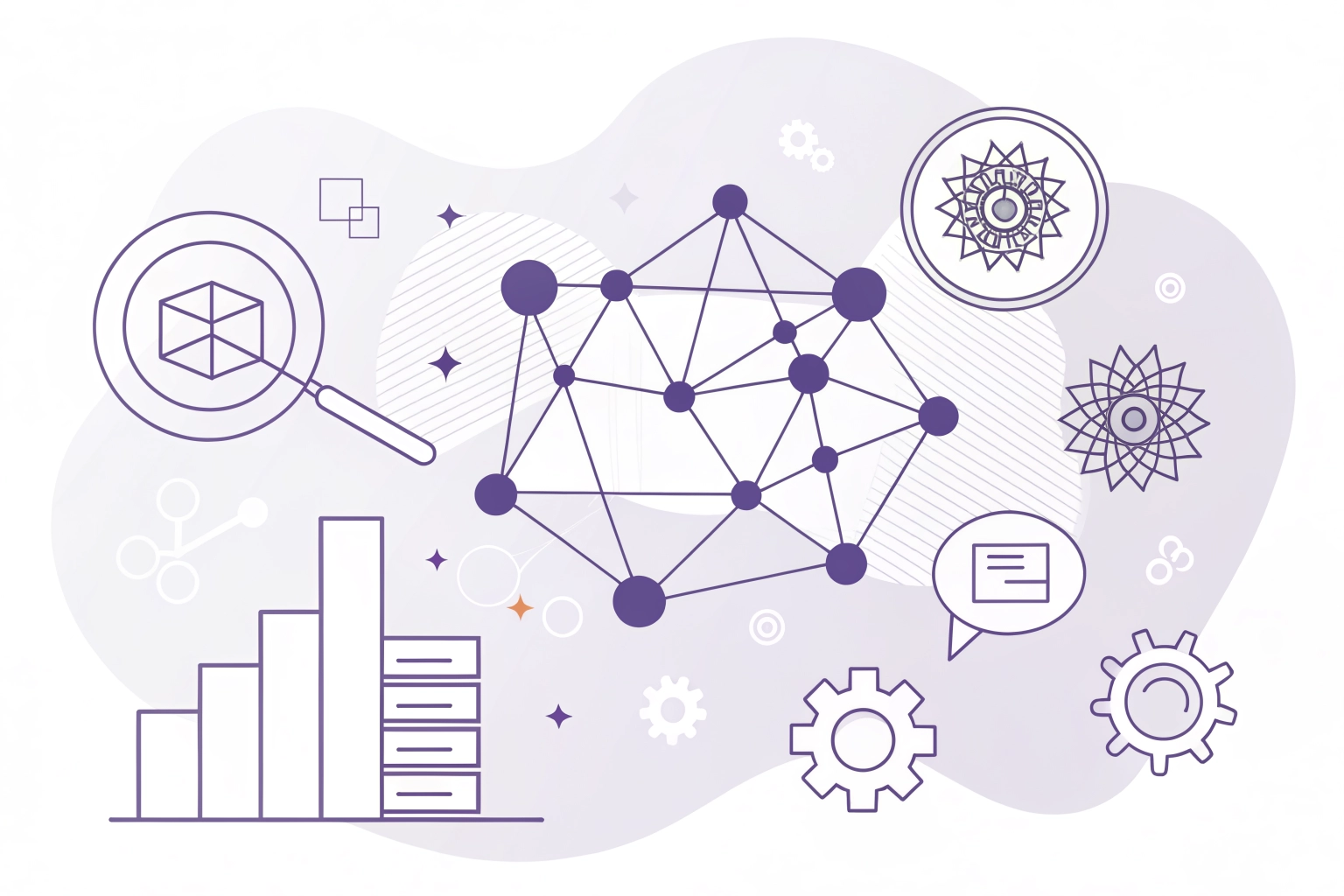
Intelligent, context-aware web interfaces utilizing localized machine learning models to adjust structures and content in real-time.

Website Speed

Engineered for near-instant rendering pipelines, utilizing edge compute delivery to keep interaction delays sub-100ms globally.

Mobile-First Design

Sophisticated touch layouts prioritize hand ergonomics, gestural micro-interactions, and flawless scalable vector elements.
FUTURE STANDARDS

Evolution of Web Design Trends 04–06

04. Clean & Purposeful Design

Stripping away digital clutter to prioritize raw content. Every layout element serves a clear utility, optimizing modern responsive spaces through clean typography, negative margins, and curated grids.

05. Radical Accessibility

A standard that refuses to compromise on inclusivity. High-contrast color spaces, comprehensive keyboard navigation, and seamless screen-reader paths built natively into clean front-end frameworks.

06. Structured JSON-LD Data

Structuring content for both humans and AI crawlers. Deep semantic markup and optimized schema layers ensure search engines and digital agents parse, understand, and distribute your ideas instantly.
NEXT-GEN STRATEGIES

Core Digital Trends (07-10)

A blueprint of the standard-setting frameworks pushing the boundaries of web creation and user experience in 2026.

07. Conversion-Focused

Designing high-performance user pathways loaded with subtle micro-interactions to seamlessly guide visitors from awareness to transaction.

08. AI in Development

Employing advanced machine intelligence pipeline tools to program clean, fault-tolerant frameworks and test structures at exceptional speed.

09. Personalization

Crafting layouts and contextual copy blocks that shift dynamic elements in real-time based on actual visitor actions and search history.

10. Humans-First Content

Rejecting flat, automated AI spam to focus entirely on human empathy, domain authority, and deep interactive storytelling. True storytelling elements foster real relationships that stand out in saturated online spaces.
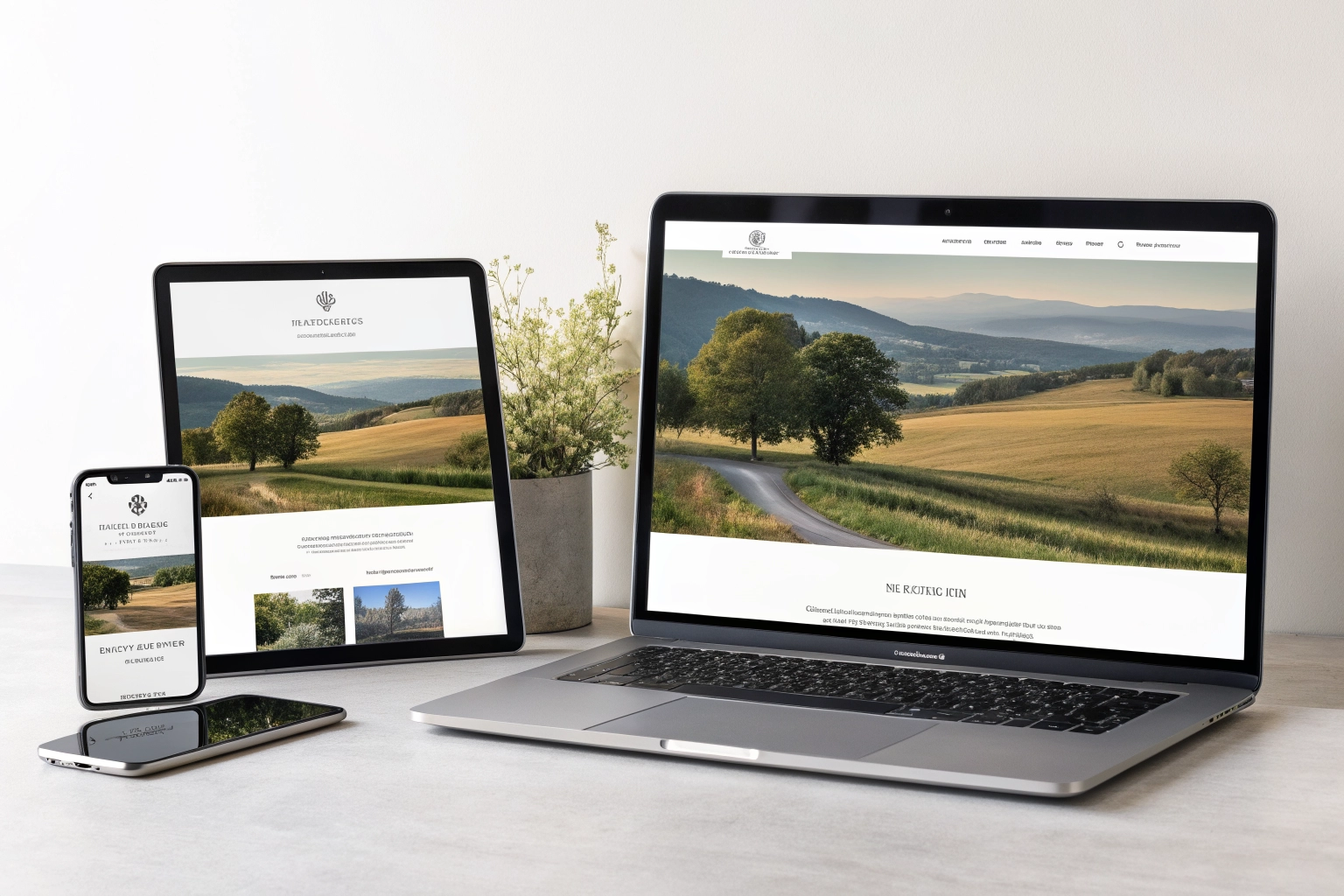
What Should a Modern Business Website Include?

Ensure your online presence is fully equipped for success with this essential performance and design blueprint.

Essential Pages & Content

Technical Standards

Need a website for your business?

Get in touch today to build a future-ready digital experience.

Frequently Asked Questions

Got questions? We’ve got answers. Explore our insights on modern web development, AI trends, and structural digital strategy to optimize your brand.

How do modern AI trends impact web design in 2026?

AI trends are revolutionizing web design by enabling sophisticated layout generation, predictive user patterns, and personalized interfaces in real-time. Designing with an AI-aware perspective ensures structures remain dynamic, conversion-focused, and incredibly adaptive to evolving browser capabilities.
Website speed is the foundation of user retention and modern Search Engine Optimization. High load times increase drop-off rates instantly. By refining code, utilizing modern standard file formats (like WebP), and leaning on CDN distribution networks, we guarantee your site responds almost instantaneously.
Absolutely. Relying strictly on social media channels limits your digital sovereignty and makes your metrics dependent on algorithms you don’t control. A custom web platform behaves as an absolute anchor for your business model, capturing organic discovery and defining professional authority.
SEO-friendly frameworks rely on semantic nesting tags, accessible structures, microdata/schema integration, and exceptional performance metrics. By treating mobile responsiveness as the primary design driver, we build sites that search engines naturally prioritize during crawl indexation.
Most industries demand a comprehensive redesign cycle every 2 to 3 years. This interval helps businesses implement updated API features, security requirements, brand adaptations, and structural search parameters that keep them ahead of direct digital competition.

Leave a Comment

Your email address will not be published. Required fields are marked *